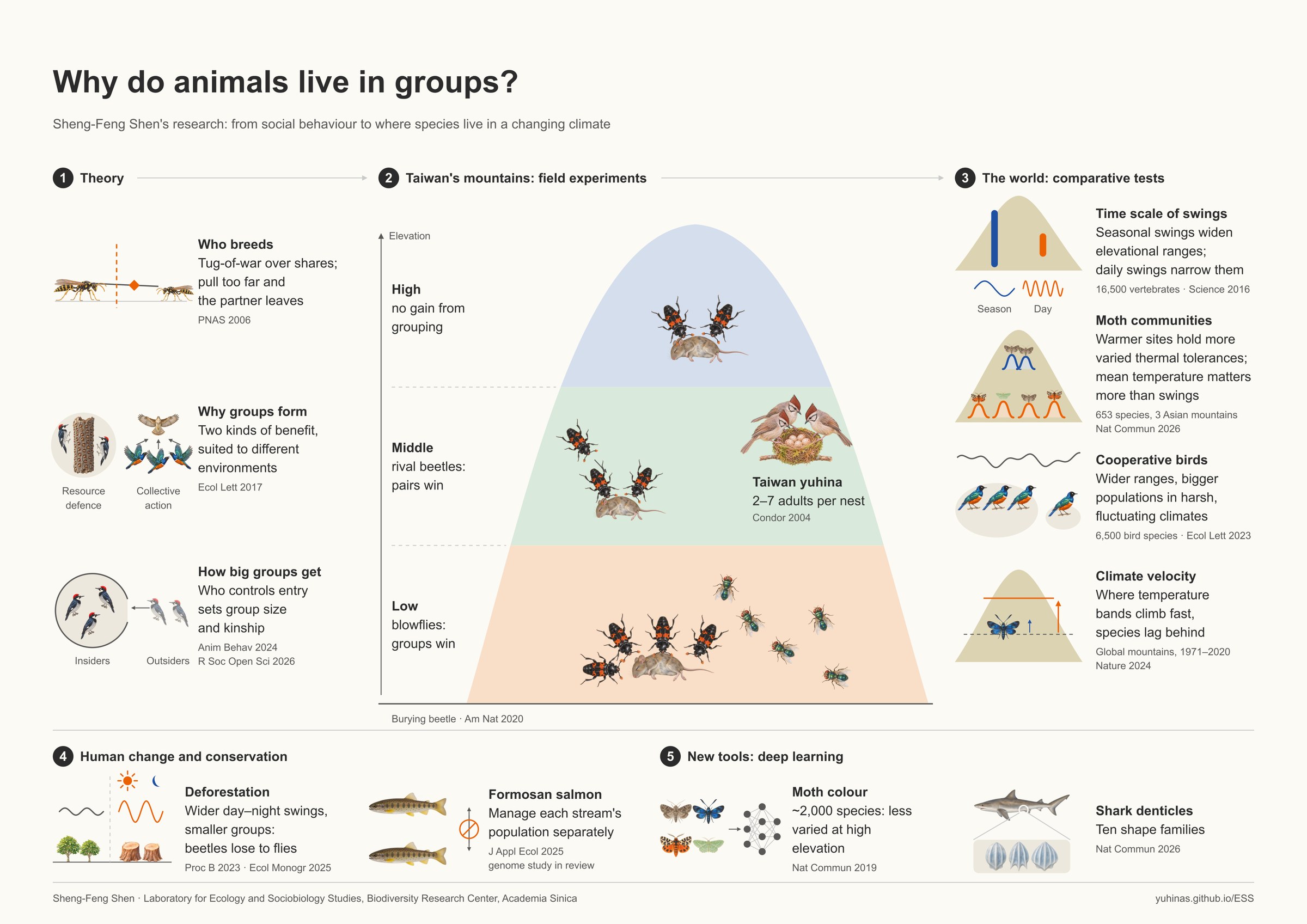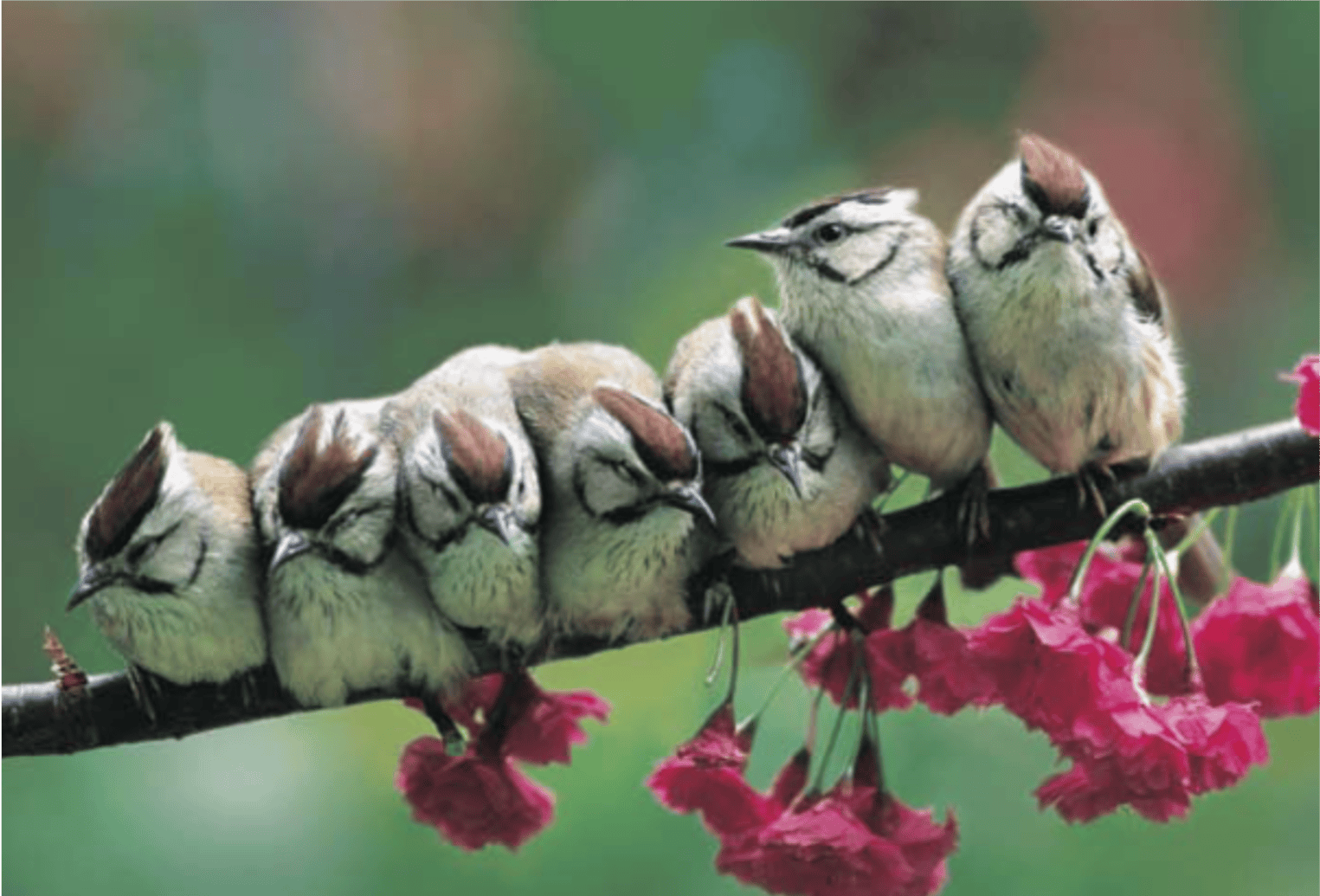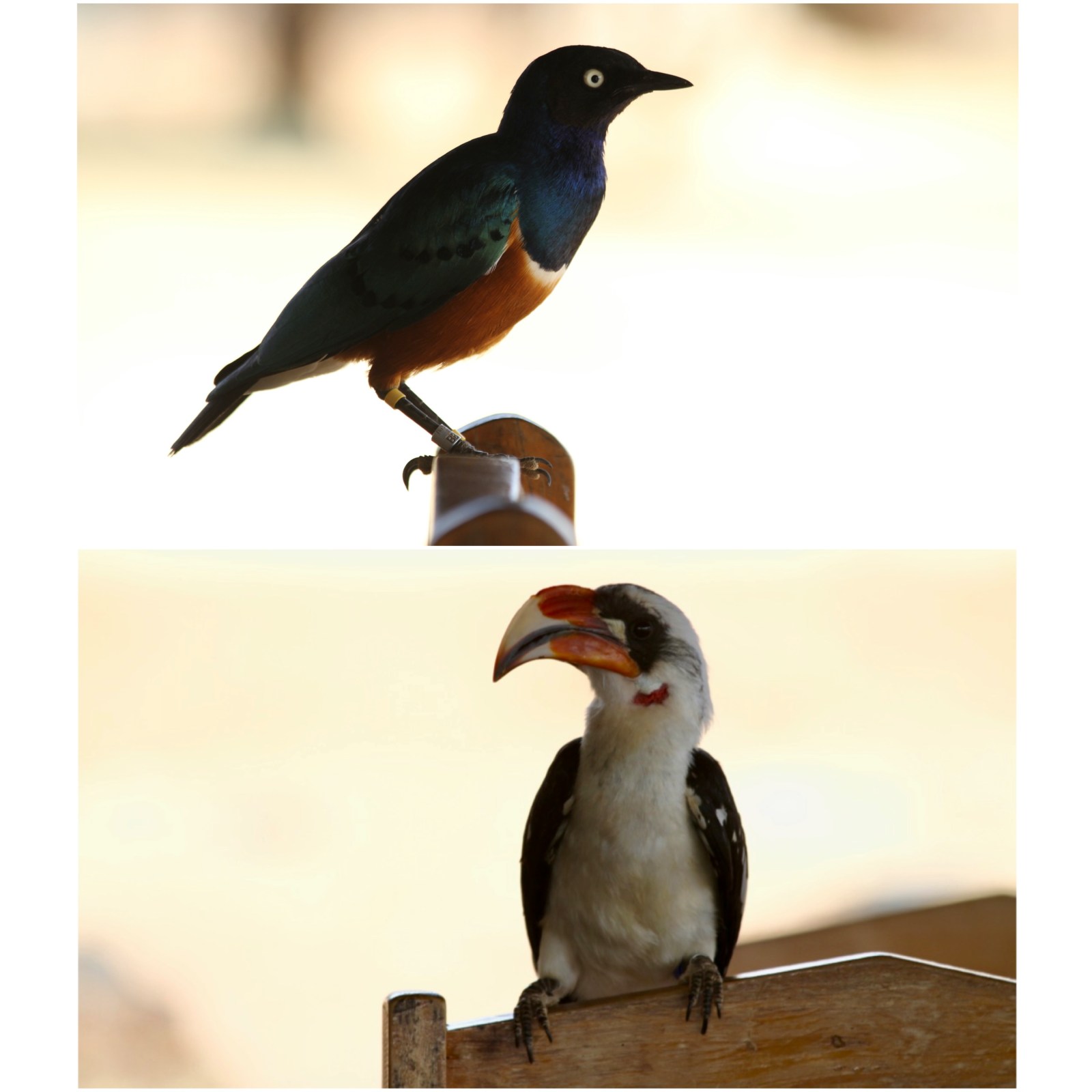
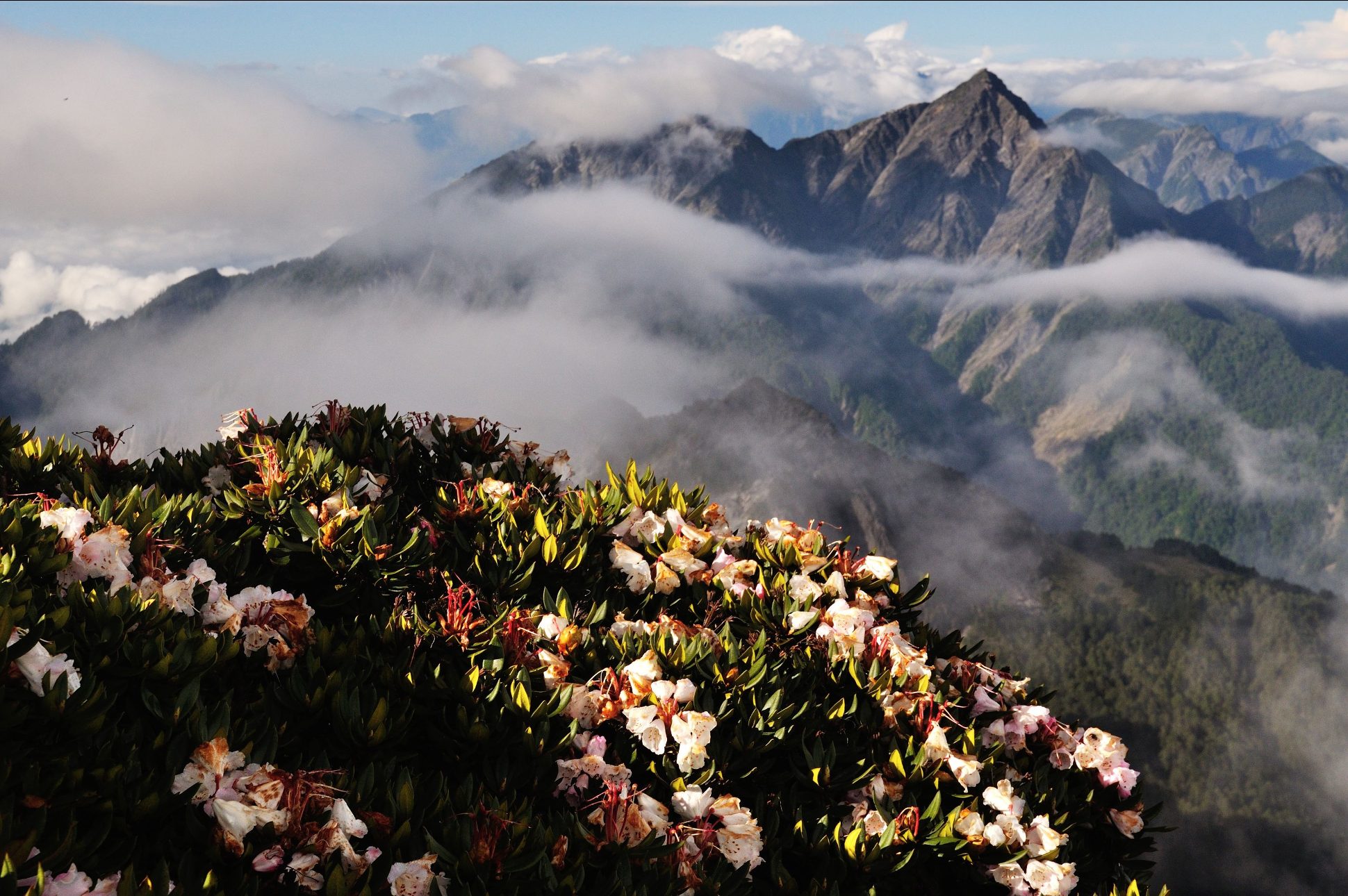
We ask why animals cooperate in some places and compete in others, and whether living in groups helps a species cope with a changing climate. Most of our work is in Taiwan's mountains, with two animals that can raise their young in groups. One is the Taiwan yuhina (Yuhina brunneiceps), a songbird in which two or more unrelated females usually lay their eggs in the same nest. The other is the burying beetle Nicrophorus nepalensis.
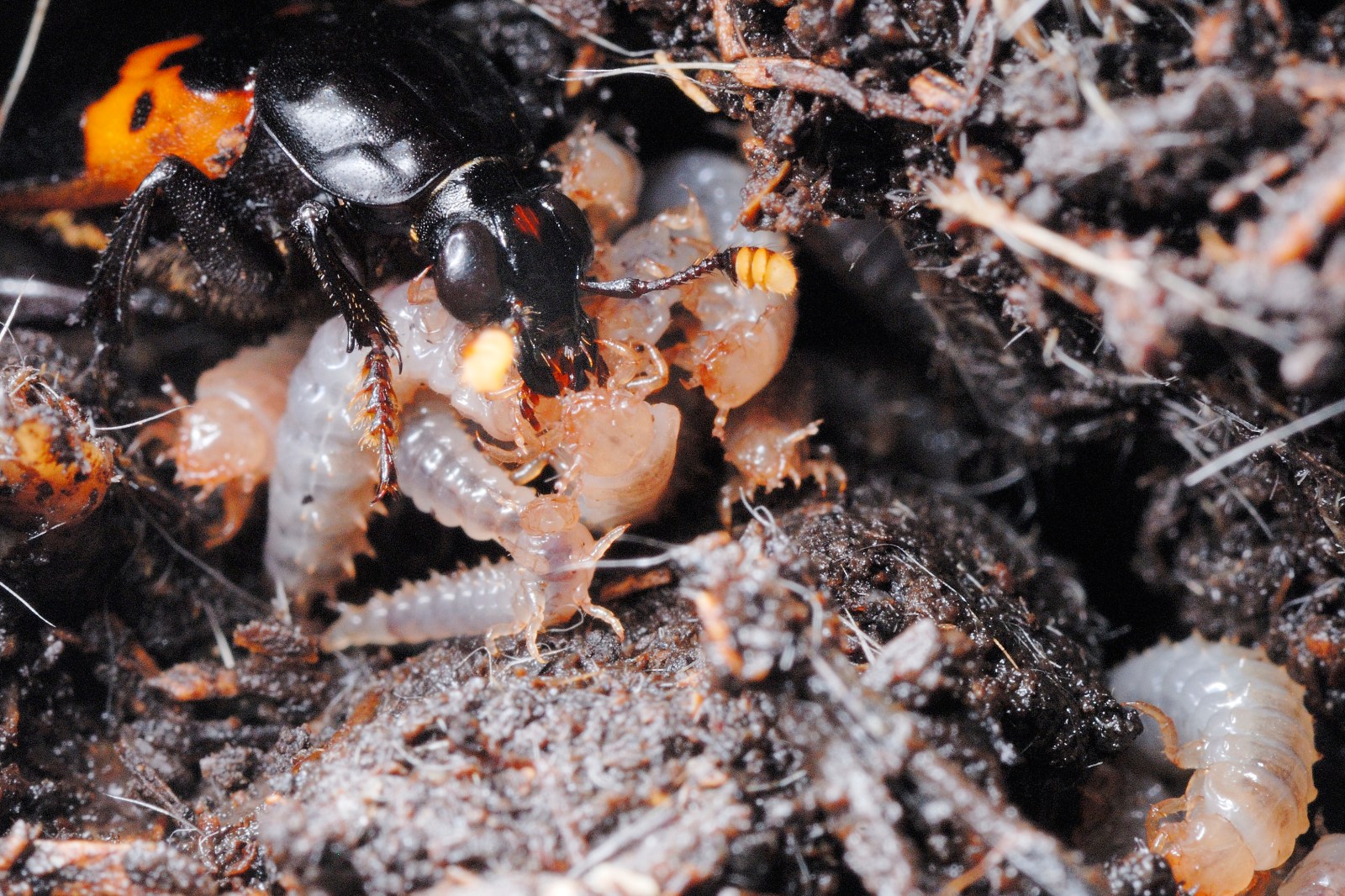
The beetles raise their larvae on the carcasses of small animals. They can breed as a single pair or as a group of several adults, and which does better depends on how high up the mountain they are. Low on the mountain, blowflies find a carcass within hours and their maggots compete for it, so a lone pair rarely keeps it. A group can. Higher up, where it is cooler and the flies are few, the main rivals are other beetles. Group members there share one carcass, so each raises fewer young than it would in a pair, and pairs do better. Beyond these two animals, we use data on thousands of species, including birds and other vertebrates worldwide and moths on Asian mountains, to ask how cooperation and climate affect where species can live.
We argue that groups form for different reasons. Some hold a resource that a pair could not defend, while others do work that takes many hands, such as driving off a predator. Which reason applies shapes how the group behaves, including how much its members fight. Cooperation widens the range of temperatures in which the beetles can breed. Among birds worldwide, cooperative breeders in harsh, fluctuating climates occupy larger areas than relatives that breed in pairs, and our model predicts that they will cope better as the climate changes.
Temperature swings matter in their own right, and so does their time scale. Across land vertebrates on mountains worldwide, species that face large seasonal swings occupy wider bands of elevation, while large differences between day and night narrow those bands. In Taiwan's mountains, clearing forest widens the daily swing. The bigger swing favours blowfly maggots, which work by day, over burying beetles, which work at night.
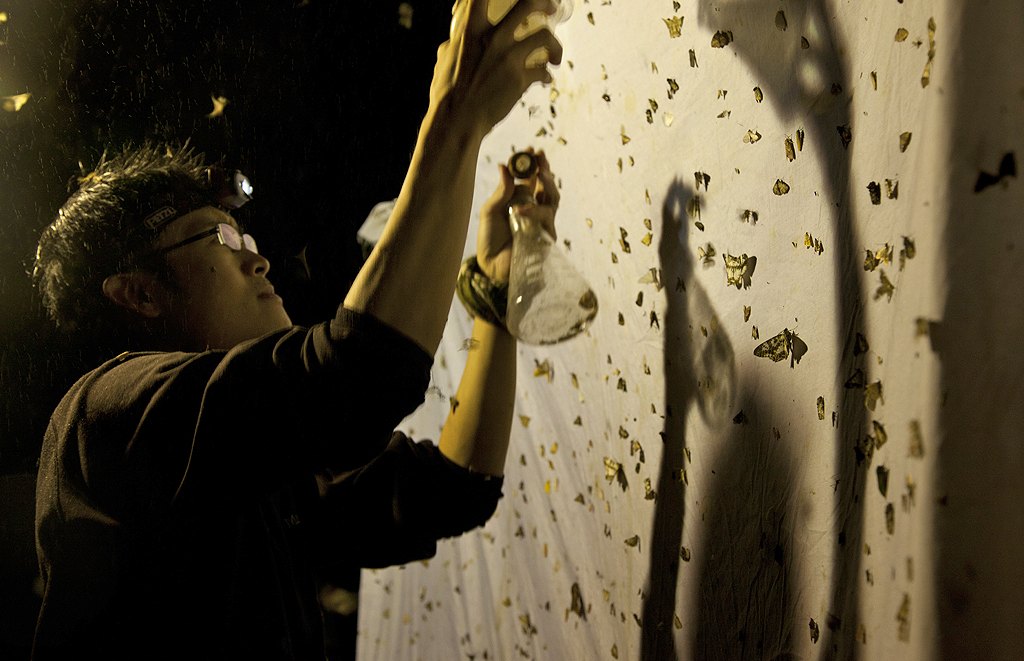
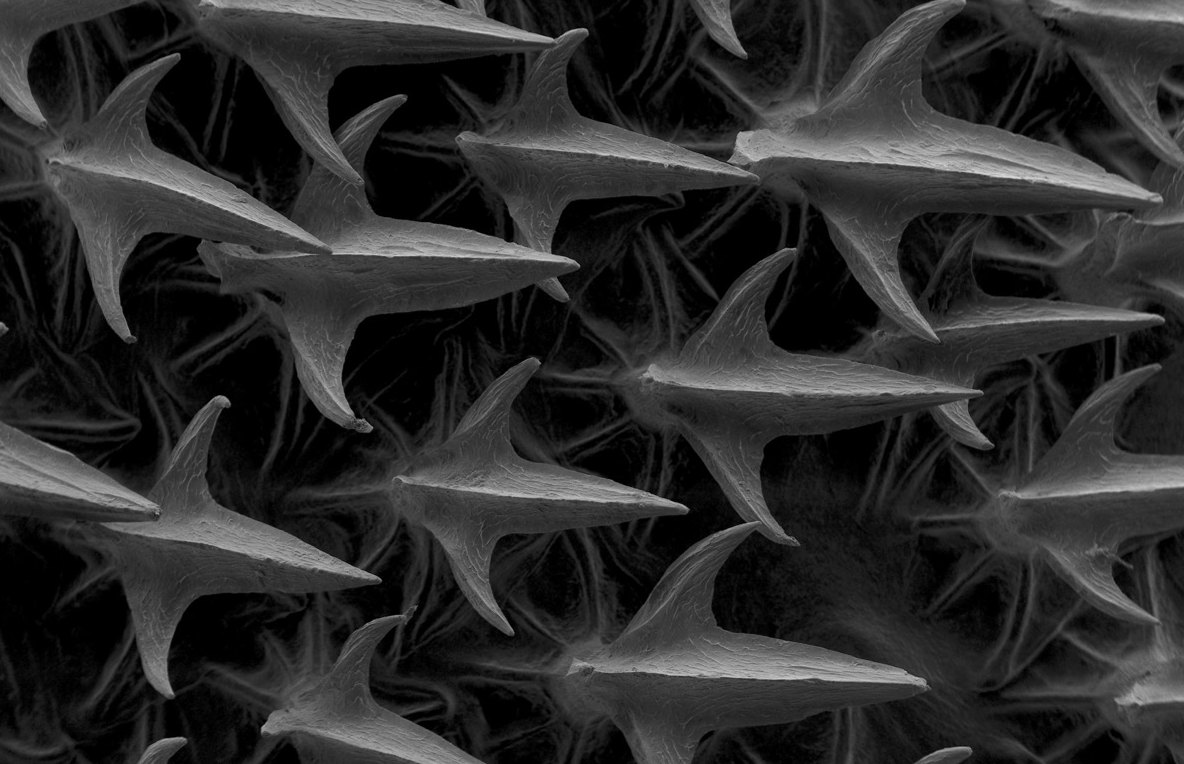
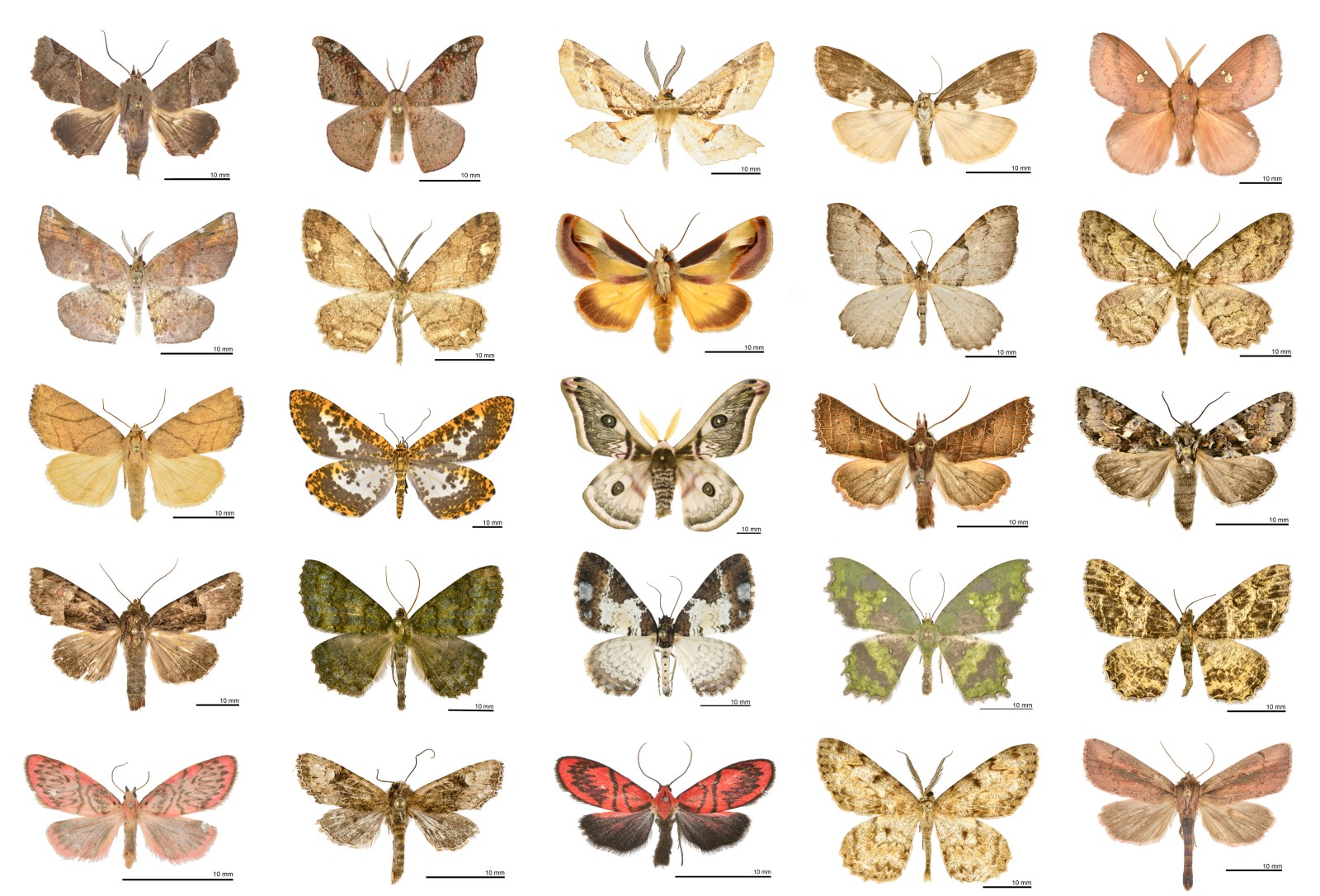
Colour and shape are hard to measure consistently across thousands of species, so we train deep-learning models to do the measuring. Using photographs of nearly 2,000 Taiwanese moth species, we found that moths at high elevation are less varied in colour and shape. With materials scientists, we also sorted the tiny tooth-like scales on shark skin, imaged under an electron microscope, into shape families whose ridges do more than reduce drag. Satellite data let us map how fast warming is pushing temperature zones up mountains worldwide. Where the shift is fast, many species are falling behind.
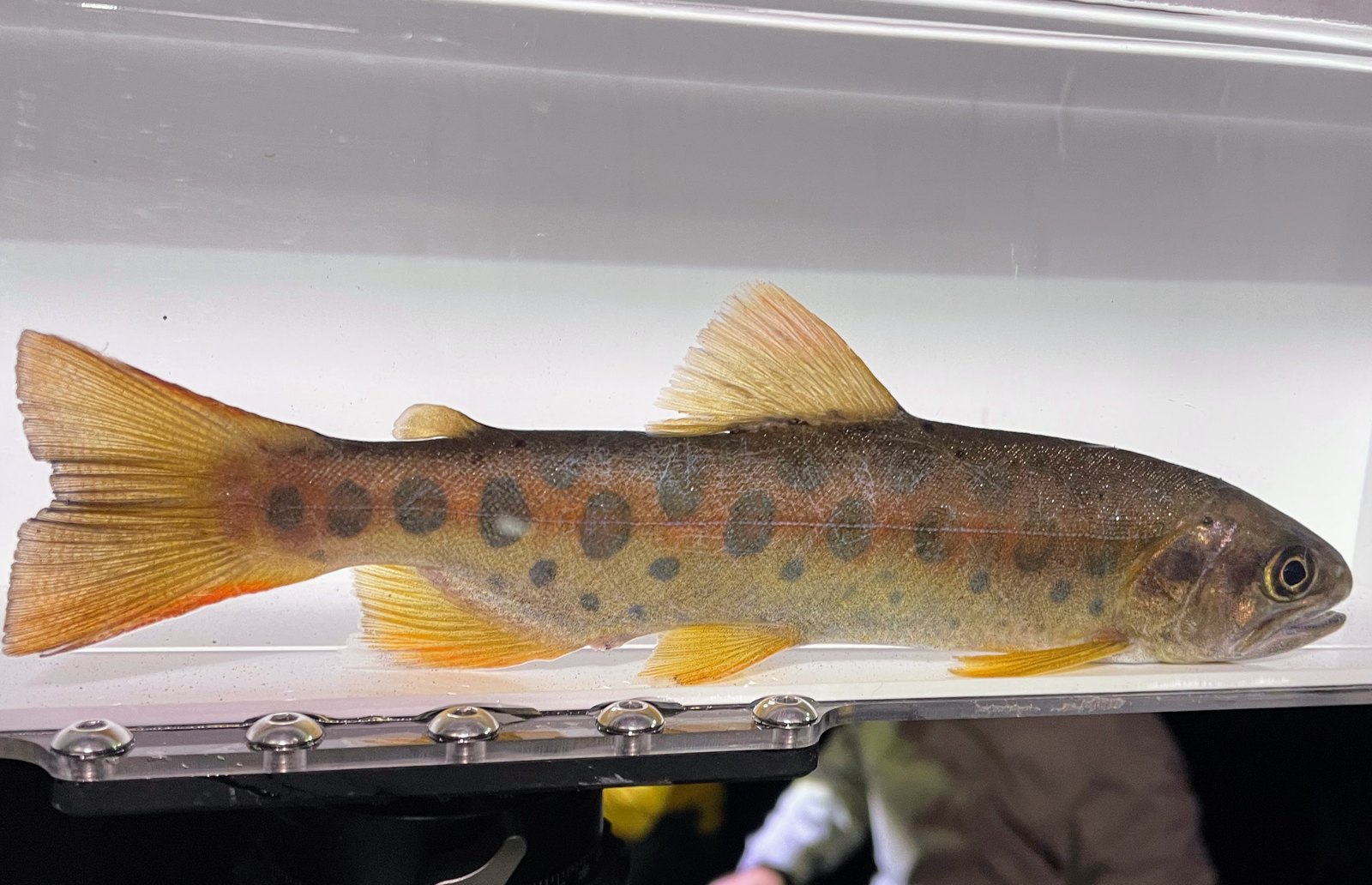
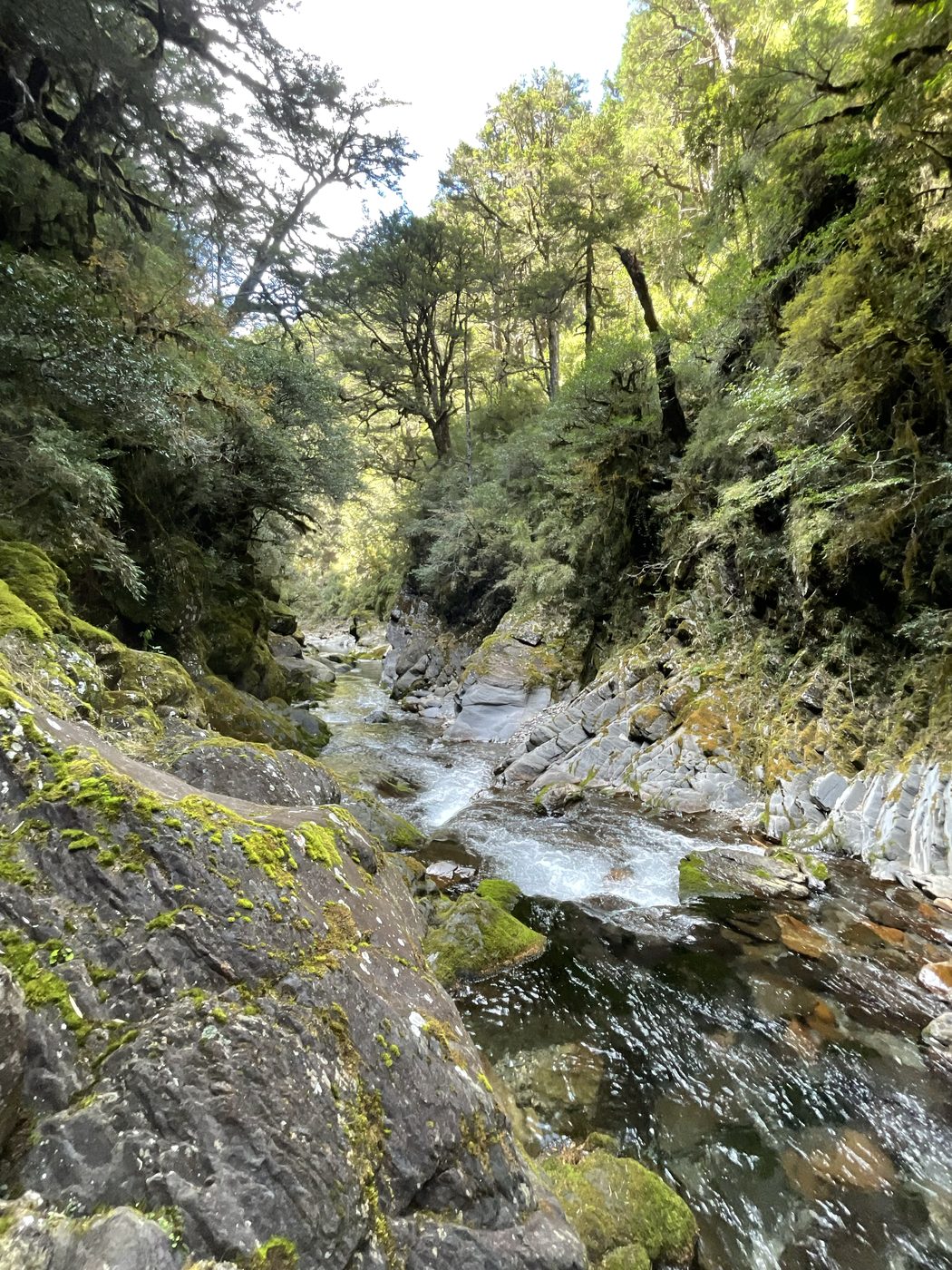
Our conservation work centres on the Formosan landlocked salmon, which lives only in a few cold streams high in Taiwan's mountains. We have assembled the fish's genome and measured the stream conditions its eggs need to hatch.
The lab is led by Sheng-Feng Shen, Research Fellow at the Biodiversity Research Center, Academia Sinica.
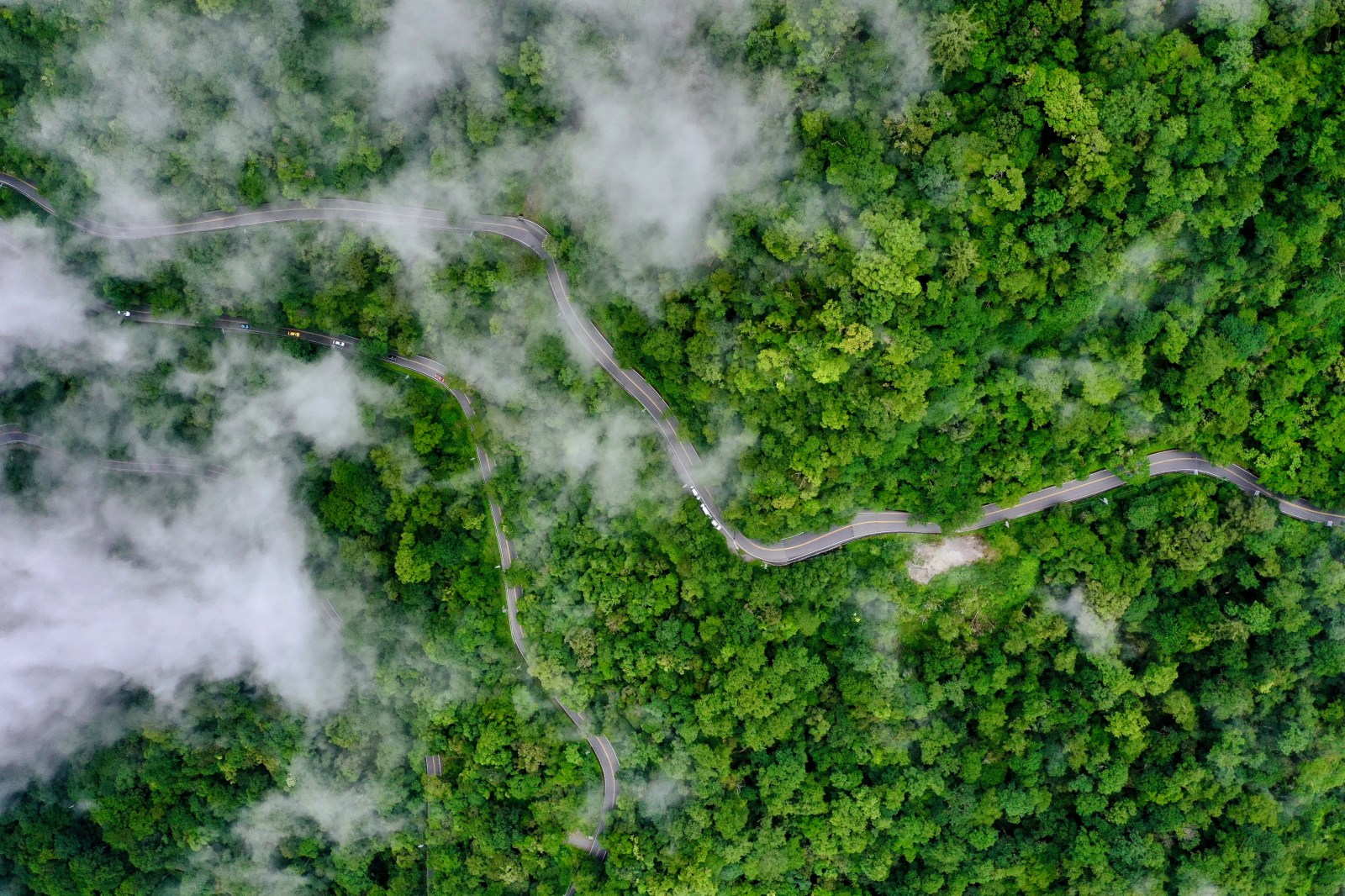
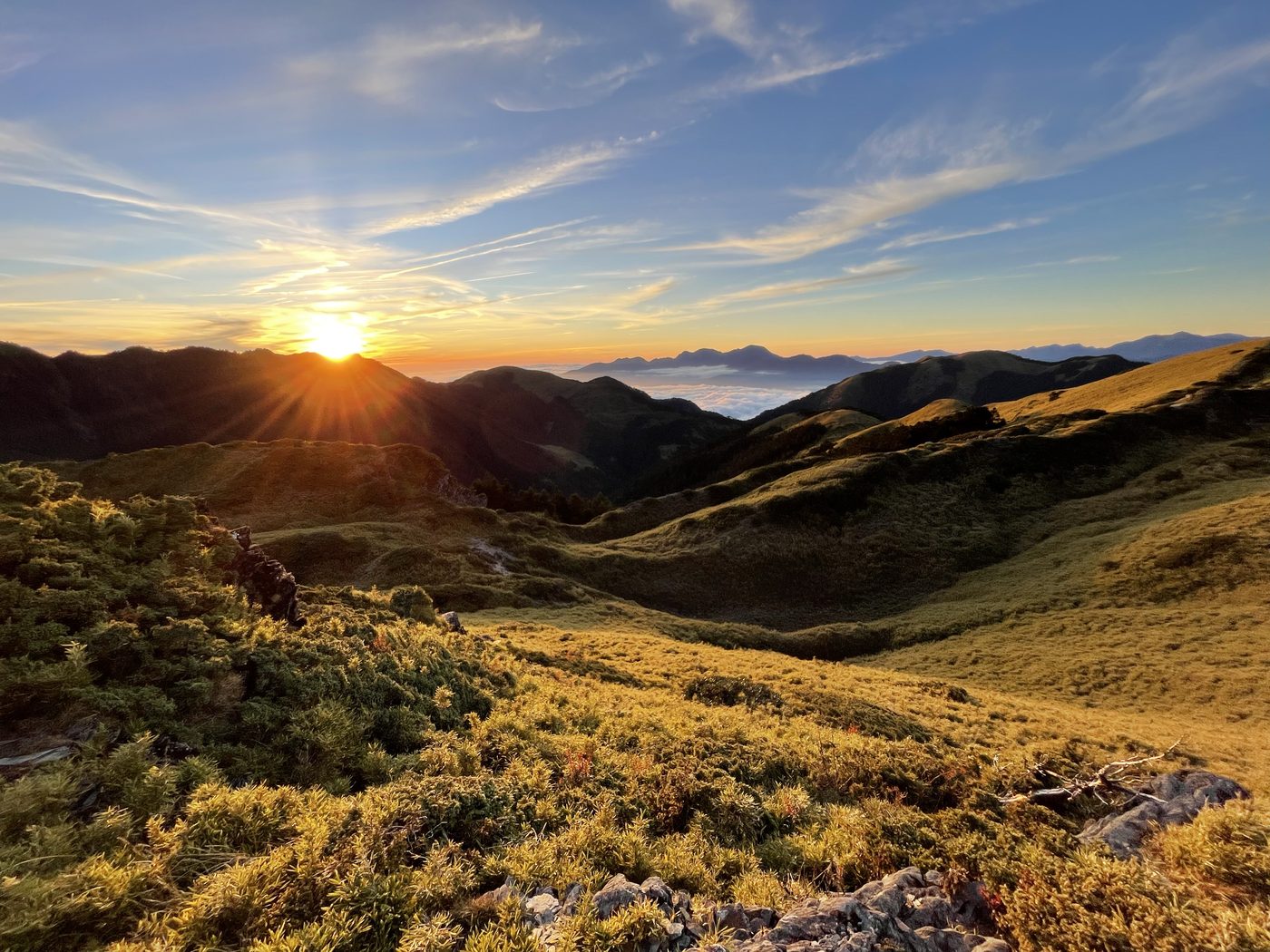
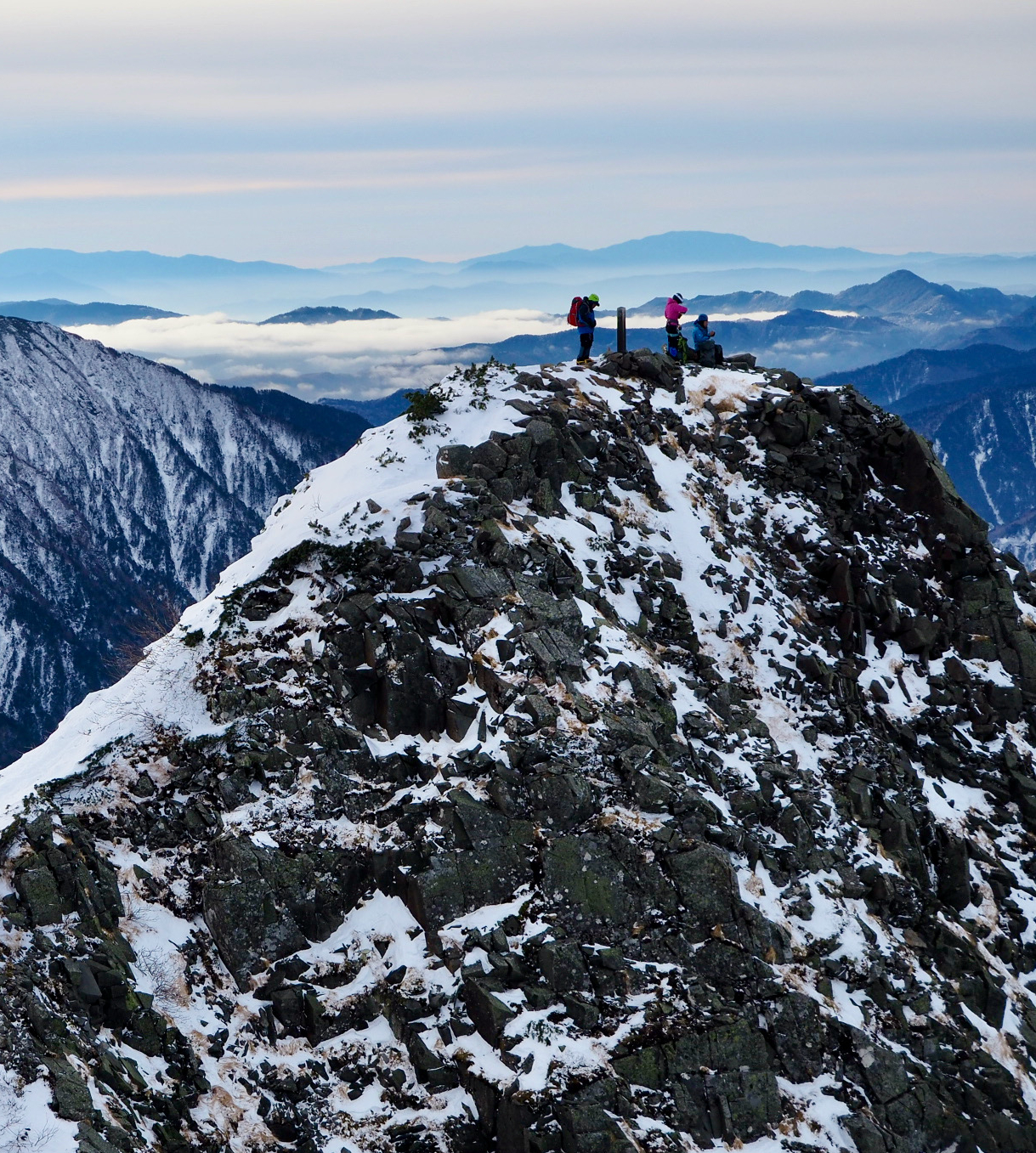
Siyuan Pass, Taiwan 思源啞口